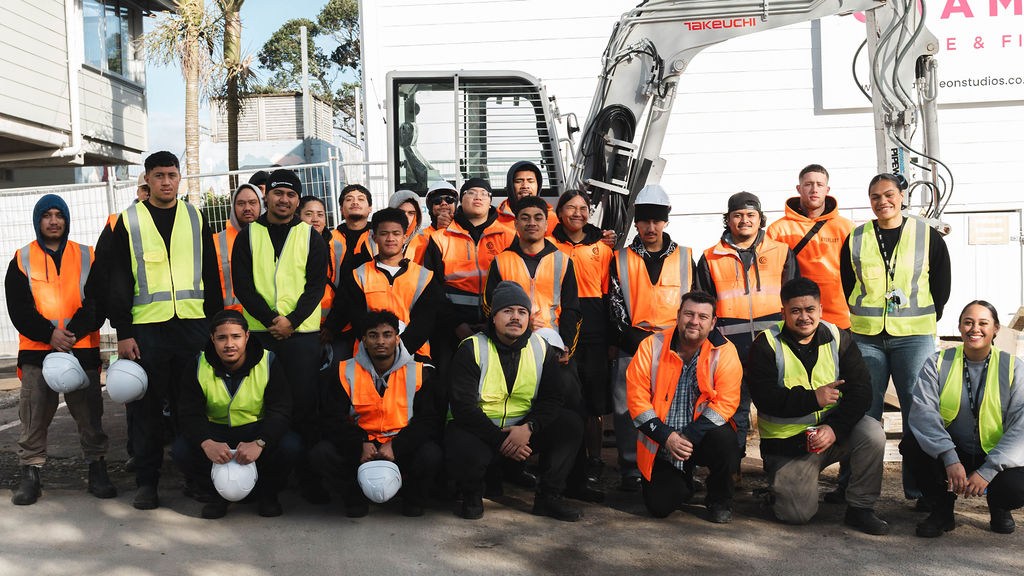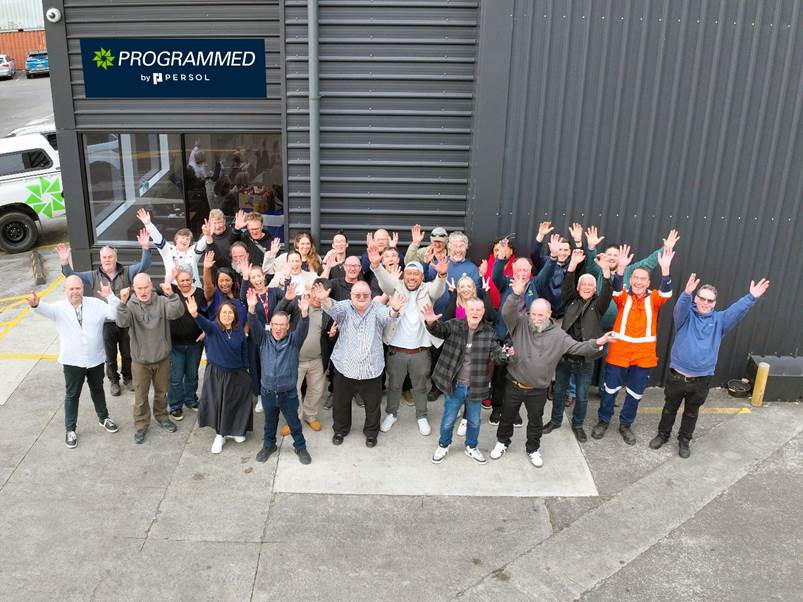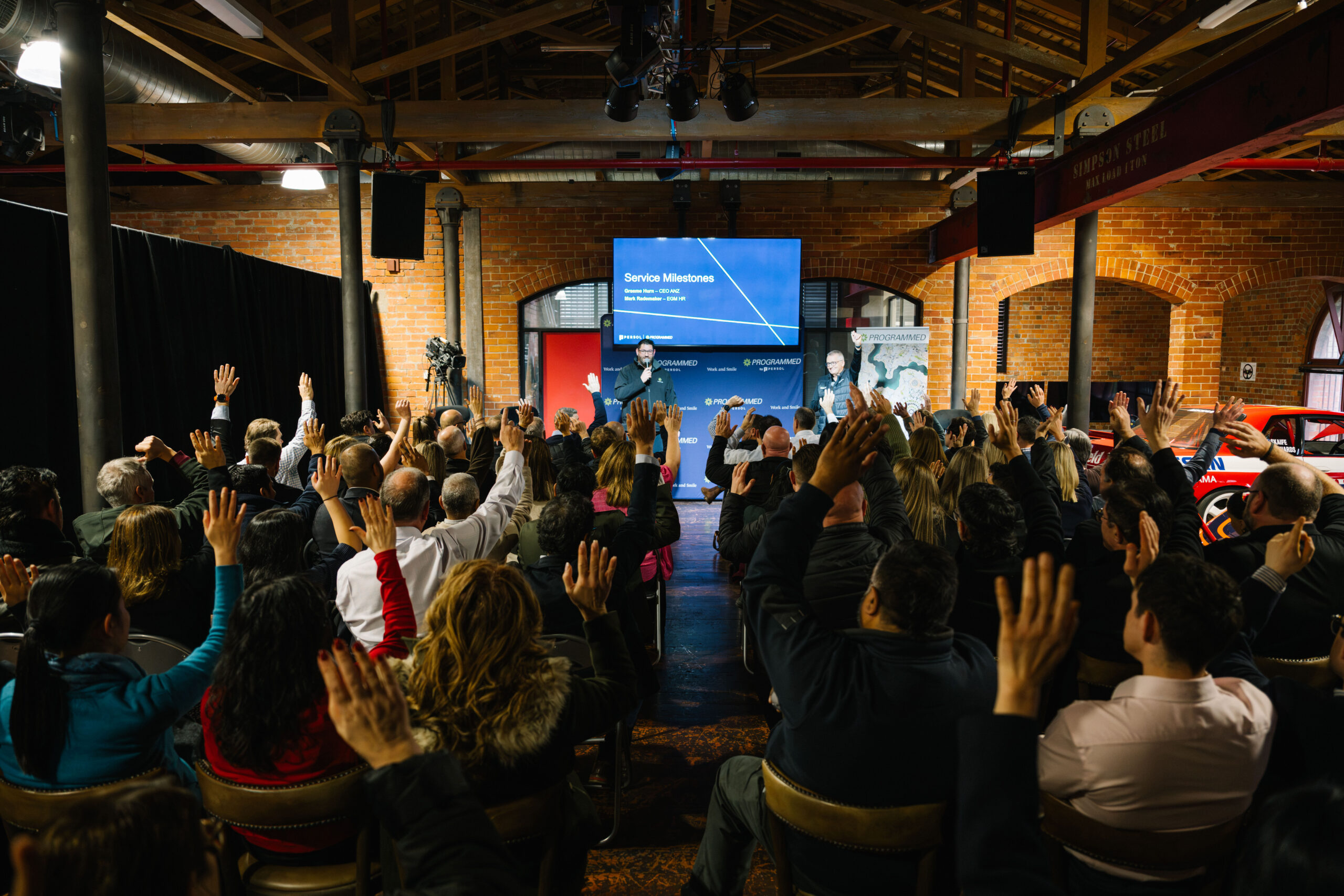
Strong outcomes in the trades don’t happen in isolation. They are built through partnerships that connect training, industry and community.
Programmed’s involvement with the Māori and Pasifika Trades Training Programme (MPTT) began through collaboration with Auckland Council, with a shared goal of creating accessible pathways into the trades for Māori and Pasifika learners.
The programme, supported by the Tertiary Education Commission, focuses on more than just technical training. It combines practical, industry-led experience with cultural and pastoral support, helping learners build confidence, capability and long term career direction.
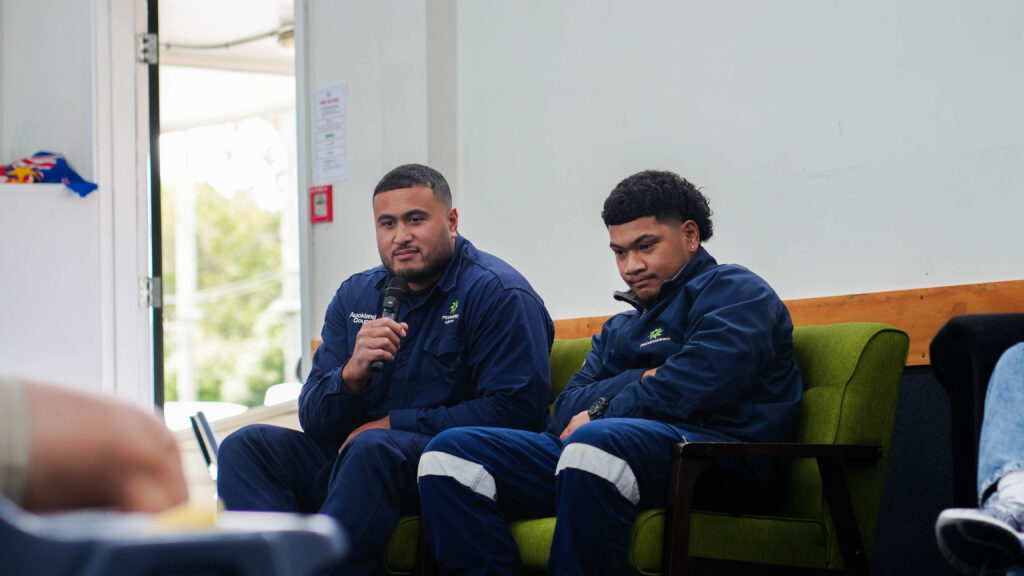
Sio Tafiti and Filipo Asu Buiroata were among those who joined Programmed through this initiative, starting as apprentices and transitioning into full time roles within the business.
Since then, their roles have continued to develop.
Now embedded in daily operations, they are working across both reactive maintenance and project based work, contributing as part of wider teams while also taking on responsibilities independently. This progression reflects not only their individual growth, but the strength of a model that supports learning in real working environments.
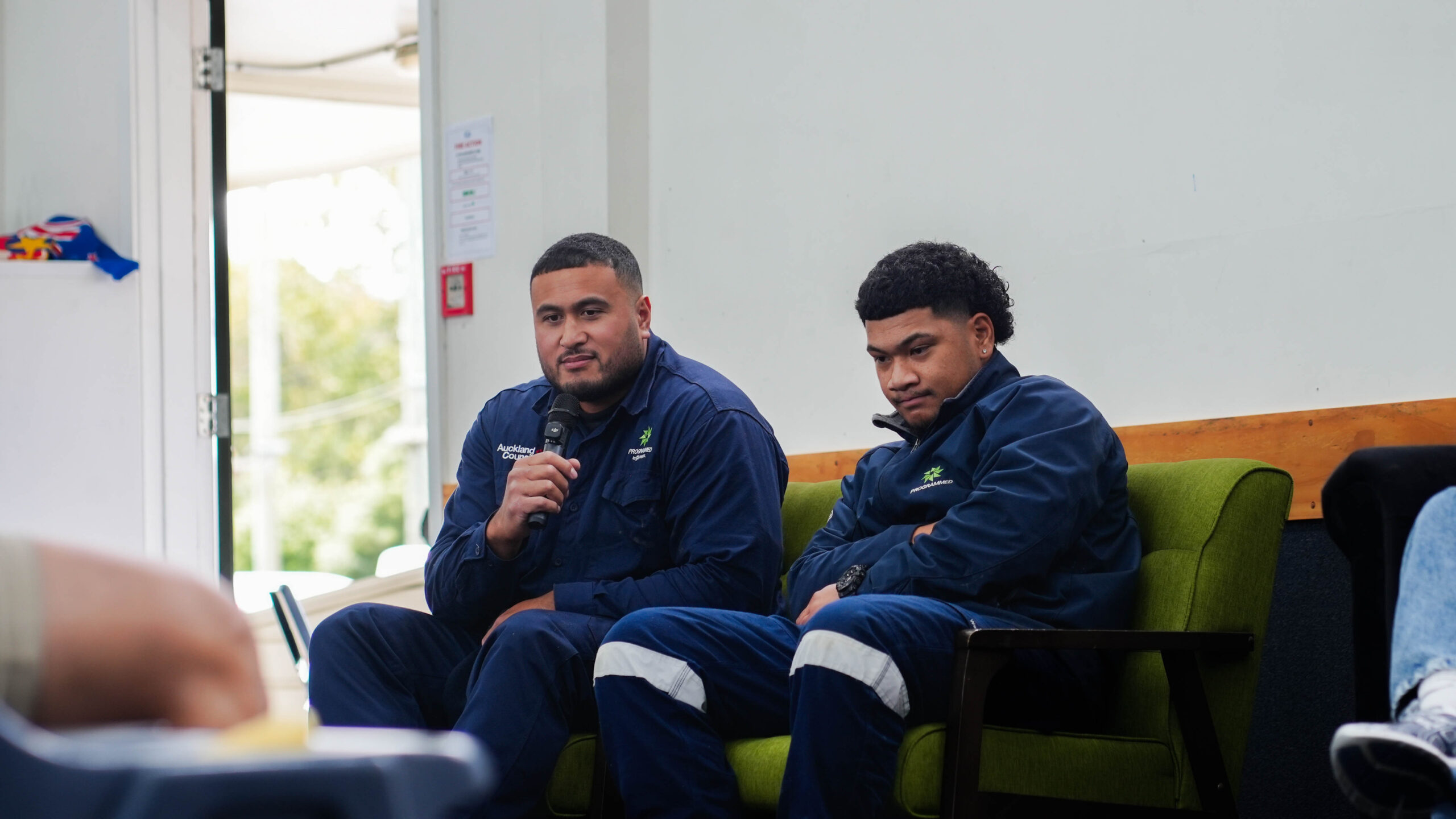
More recently, Sio and Filipo have come full circle, sharing their experiences with new MPTT candidates as part of a panel discussion.
Speaking directly to those considering a future in the trades, they provided honest insight into their journey, from early uncertainty to gaining the skills, confidence and stability that come with full time employment.
This kind of peer to peer connection plays an important role in programmes like MPTT. It helps future trainees see what’s possible and reinforces the value of having the right support structures in place.
For Programmed, the partnership is about long term impact. It’s about building capability within the workforce, supporting individuals beyond entry level roles and contributing to stronger, more resilient communities.
Because when pathways are supported properly, the benefits extend well beyond the workplace and into whānau, communities and future generations.